Your Complete Guide to the Spicy Side of the United States

The United States has developed a bold and thriving spicy food culture, blending regional traditions, global influences, and a deep love for heat. From the hot sauce-drenched Cajun cuisine of Louisiana to the smoky dry rubs of Texas BBQ, America’s spicy food scene is as diverse as its people.
While chili peppers were not originally native to the U.S., they found a home in regions like New Mexico, Texas, and the South, where they thrived in both cuisine and agriculture. Over time, the American obsession with heat has only grown, leading to the rise of hot sauce challenges, extreme chili pepper cultivation, and viral spicy food trends.
This chapter explores the history, regional specialties, famous hot sauces, BBQ traditions, and the cultural significance of spice in the United States. 🌶🔥
🔥 The History of Spice in America
The love for spicy food in the U.S. has been shaped by centuries of cultural exchange and regional adaptation.
✔ Early Native American Influence – Indigenous tribes in what is now the Southwest U.S. and the Southeast used wild chili peppers like the Chiltepín, known as the "mother of all chilies." These tiny, fiery peppers were crushed into pastes or dried and used in cooking.
✔ Spanish Influence (1500s-1600s) – Spanish settlers introduced Mexican chili varieties to the American Southwest, laying the foundation for the region’s spicy food traditions.
✔ African & Caribbean Influence (1700s-1800s) – Enslaved Africans brought bold spices and chili-based cooking techniques that later influenced Creole, Cajun, and Southern BBQ flavors.
✔ Modern Hot Sauce Boom (1900s-Now) – The 20th and 21st centuries saw an explosion of hot sauce brands, chili pepper farming, and viral spicy food trends, making heat-seeking a national obsession.
🔥 Regional Spicy Food Traditions Across the U.S.
🌶️ Louisiana: The Birthplace of Hot Sauce & Bold Cajun Heat
Louisiana is synonymous with spice, thanks to its Cajun and Creole food traditions that pack a punch with bold seasonings, hot sauce, and smoky spices.
✔ Cajun vs. Creole Cooking – While both cuisines use spicy ingredients, Cajun food is rustic, smoky, and heavily seasoned, while Creole food is rich, tomato-based, and infused with European influences.
✔ Famous Louisiana Chili Peppers – The Tabasco Pepper (used in Tabasco Sauce) and Cayenne Pepper are staples in Louisiana cooking.
✔ Hot Sauces from Louisiana:
- Tabasco Sauce – The world-famous, fermented chili vinegar hot sauce made on Avery Island.
- Crystal Hot Sauce – A tangy, cayenne-based Louisiana classic.
- Louisiana Hot Sauce – A smooth, medium-heat sauce with a vinegar-forward bite.
🔥 Spicy Louisiana Dishes:
✔ Jambalaya – Spicy rice dish with sausage, chicken, and shrimp.
✔ Gumbo – Slow-cooked stew featuring Cajun spices and heat from cayenne or Tabasco.
✔ Blackened Fish & Chicken – Cooked with fiery Cajun blackening seasoning.
🌶️ Texas: The Land of BBQ, Chili, & Bold Flavors
Everything is bigger in Texas—including its love for heat. Texas cuisine is a mix of Mexican, cowboy, and BBQ traditions, making chili peppers and dry rubs an essential part of its identity.
✔ The Birthplace of Texas Chili – Unlike other chilis, Texas-style chili (chili con carne) doesn’t include beans but relies on smoky, dried chili peppers like Ancho and Guajillo for depth of flavor.
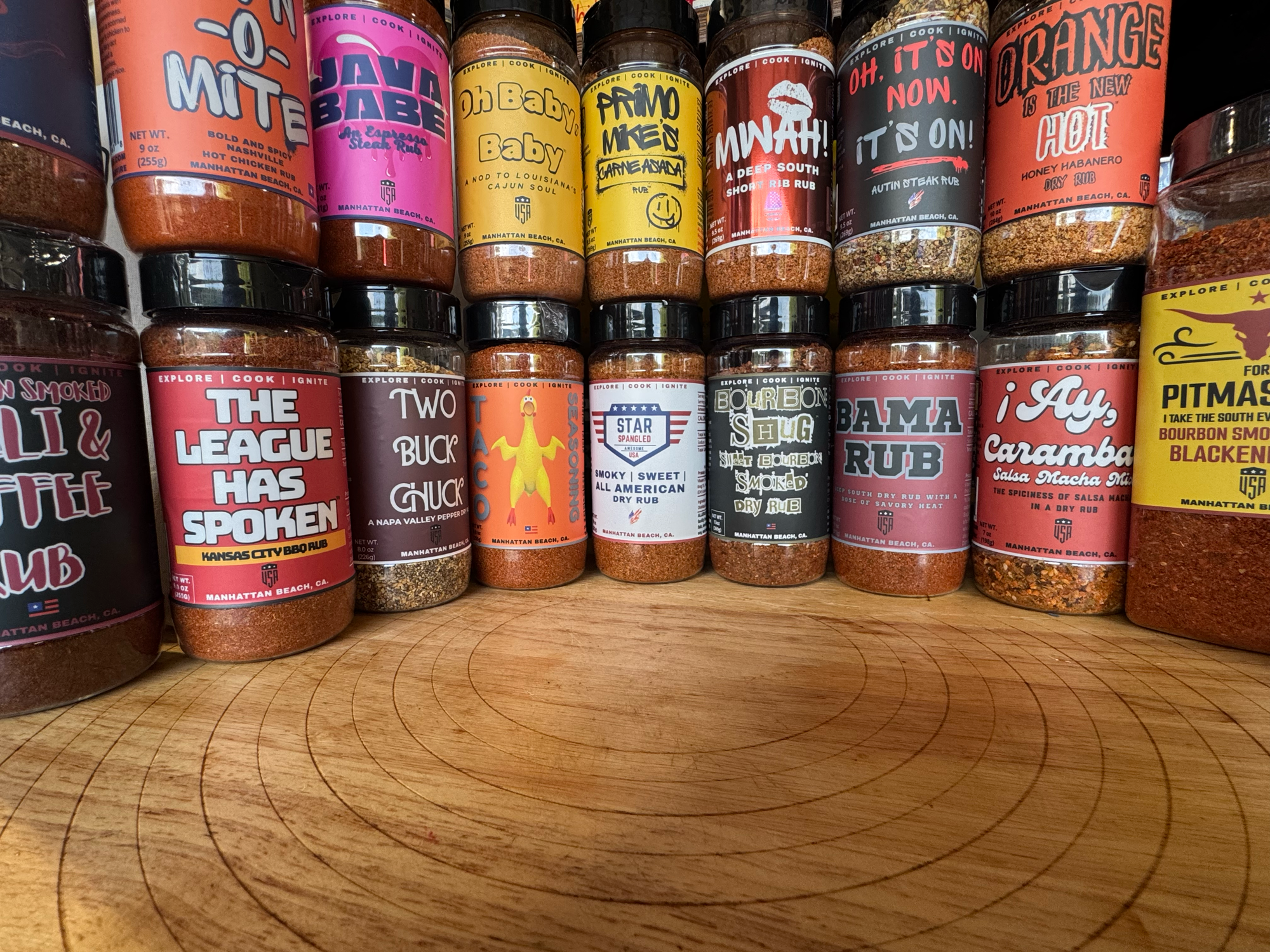
✔ BBQ & Dry Rub Culture – Texas smokes its meats “low and slow”, often using a spicy, salt-heavy dry rub instead of sauce.
✔ Famous Texas Hot Sauces & Brands:
- Salsa Macha – A Mexican-style, oil-based chili sauce with a deep smoky flavor.
- Yellowbird Hot Sauce – A popular, all-natural brand made in Texas.
- Frank’s RedHot (not Texas-born, but heavily used in BBQ).
🔥 Spicy Texas Dishes:
✔ Brisket with Dry Rub – Smoked with a spicy, smoky rub of paprika, cayenne, and black pepper.
✔ Tex-Mex Tacos – Loaded with spicy jalapeños and hot salsa.
✔ Spicy Cowboy Beans – Made with chipotle peppers and smoked meats.
🌶️ New Mexico: The Heart of American Chili Pepper Culture
New Mexico is home to some of the most iconic American-grown chili peppers, including the world-famous Hatch chili.
✔ Hatch Chili – New Mexico’s Pride & Joy – These mild to hot peppers are grown in the Hatch Valley and used in sauces, salsas, and stews.
✔ The Red vs. Green Chili Debate – New Mexicans argue over whether red or green chili sauce is better. Green Hatch chilies are fresh and tangy, while red chilies are dried and smoky.
✔ Famous Spicy New Mexican Dishes:
✔ Green Chili Cheeseburgers – A regional favorite topped with roasted green chilies.
✔ Carne Adovada – Pork slow-cooked in a spicy red chili sauce.
✔ Green Chili Stew – Made with pork, potatoes, and Hatch green chilies.
🌶️ California: The West Coast’s Spicy Influence
California’s spicy food culture is a mix of Mexican, Asian, and fusion influences, thanks to its diverse culinary landscape.
✔ Mexican Influence – California was once part of Mexico, meaning many traditional Mexican chilies (jalapeño, serrano, ancho) are central to the state’s cuisine.
✔ Asian Spice Influence – In cities like Los Angeles and San Francisco, you’ll find Thai, Korean, and Sichuan dishes packed with intense heat.
✔ The Sriracha Boom – California is home to Huy Fong’s Sriracha Sauce, which has become a staple in American spicy food culture.
🔥 Spicy California Dishes:
✔ California Burritos – Stuffed with spicy carne asada and salsa.
✔ Micheladas & Spicy Cocktails – Featuring chili salt rims and jalapeño-infused drinks.
✔ Spicy Kimchi Tacos – A Korean-Mexican fusion favorite.
🔥 The Rise of Hot Sauce Culture in the U.S.
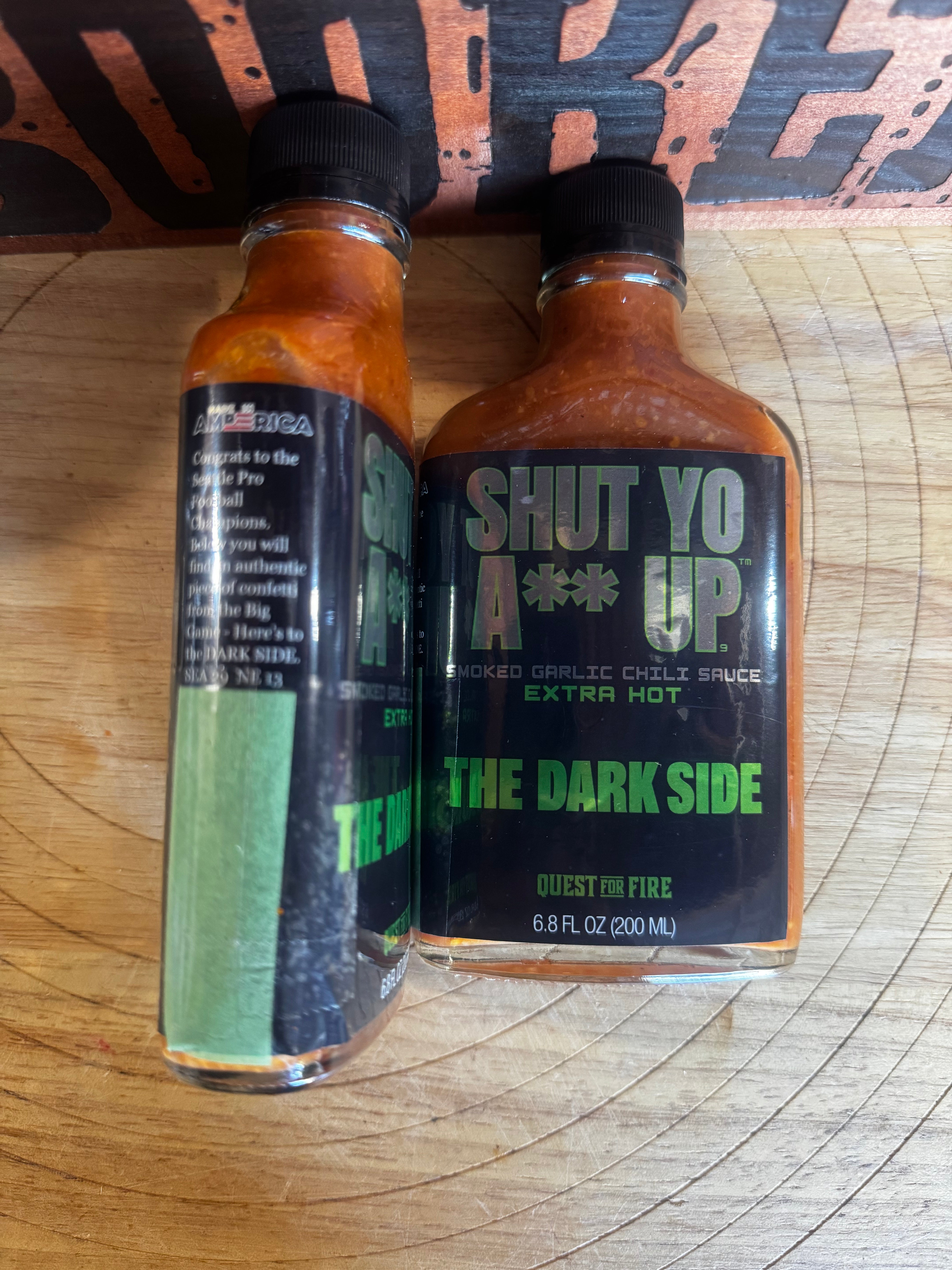
The U.S. has become a global leader in hot sauce production, with brands pushing the limits of heat and flavor. Shows like Hot Ones have fueled the spicy food craze, featuring celebrities eating some of the world’s hottest sauces.
✔ The “Extreme Heat” Movement – Peppers like Carolina Reaper and Ghost Peppers have led to the rise of ultra-hot sauces and food challenges.
✔ The Craft Hot Sauce Boom – Artisanal brands now create flavor-forward hot sauces with fermented chilies, fruits, and umami-rich ingredients.
🔥 Conclusion: America’s Love for Spice
From the fiery Cajun dishes of Louisiana to the dry-rubbed brisket of Texas and the bold chili traditions of New Mexico, the United States has built a deep and diverse spicy food culture. With hot sauces, BBQ, and global influences, America’s love for heat continues to evolve, proving that spice is here to stay.
🌶🔥 What’s your favorite spicy dish from the U.S.? Try them all and explore the bold flavors of America! 🚀🔥